
What Are the Signs That Your Medical Curtains Need Professional Cleaning?
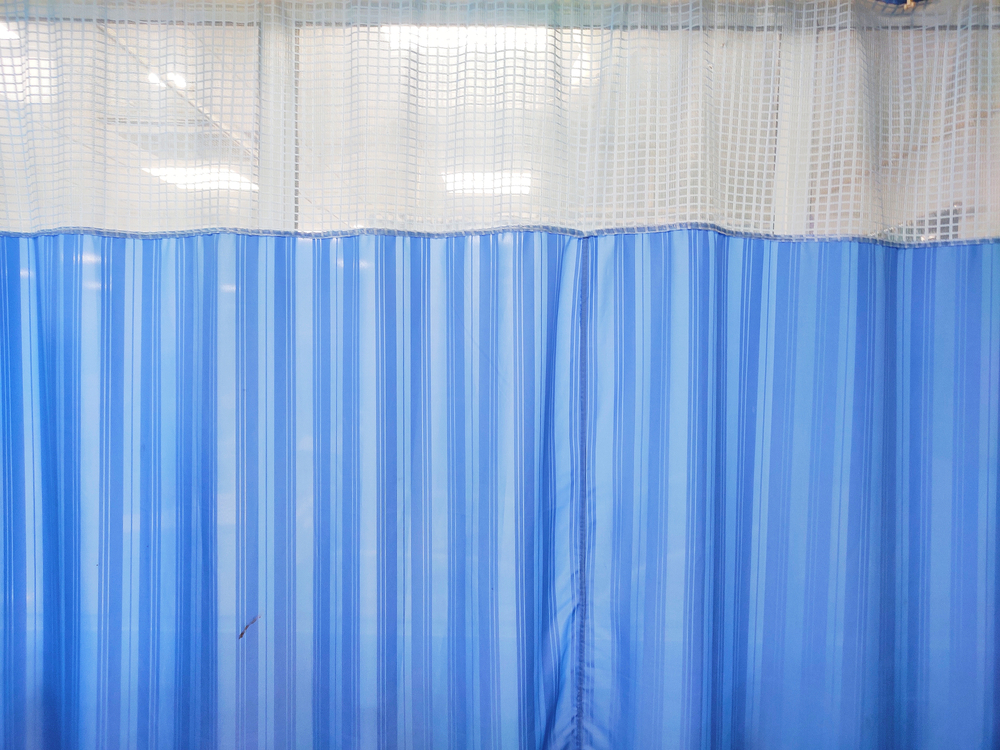
In healthcare environments, maintaining a clean and sanitary atmosphere is critical for patient safety and the overall health of medical staff and visitors. Hospital curtains, including cubicle and privacy curtains, often play a hidden but vital role in infection prevention, patient care, and maintaining privacy. These fabric barriers are subjected to heavy use, yet they are often overlooked in cleaning protocols. Medical curtains, like any surface in a hospital, can become contaminated with bacteria, viruses, and other harmful microorganisms. Identifying when these curtains require professional cleaning is vital to keeping healthcare facilities safe and compliant with health standards. This blog will cover the critical signs that indicate your medical curtains need professional cleaning, why it’s essential to maintain curtain hygiene, and the benefits of working with professional curtain cleaners in healthcare settings.
Curtains and Contamination: A Critical Concern
The Role of Curtains in Infection Transmission
Contamination can come from multiple sources in a hospital or medical setting, making infection prevention a constant challenge. Curtains, especially those used as patient dividers, frequently contact healthcare professionals, patients, and visitors. Unlike hard surfaces such as bed rails or doorknobs, which are often disinfected between patient visits, hospital curtains are typically cleaned less frequently, leaving them susceptible to contamination.
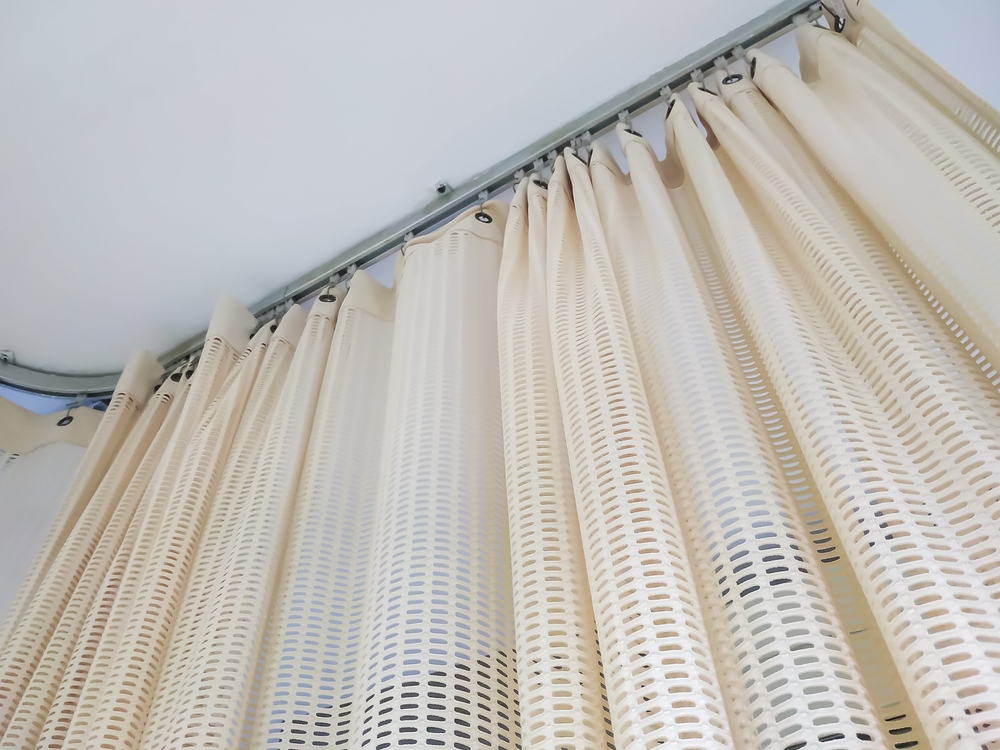
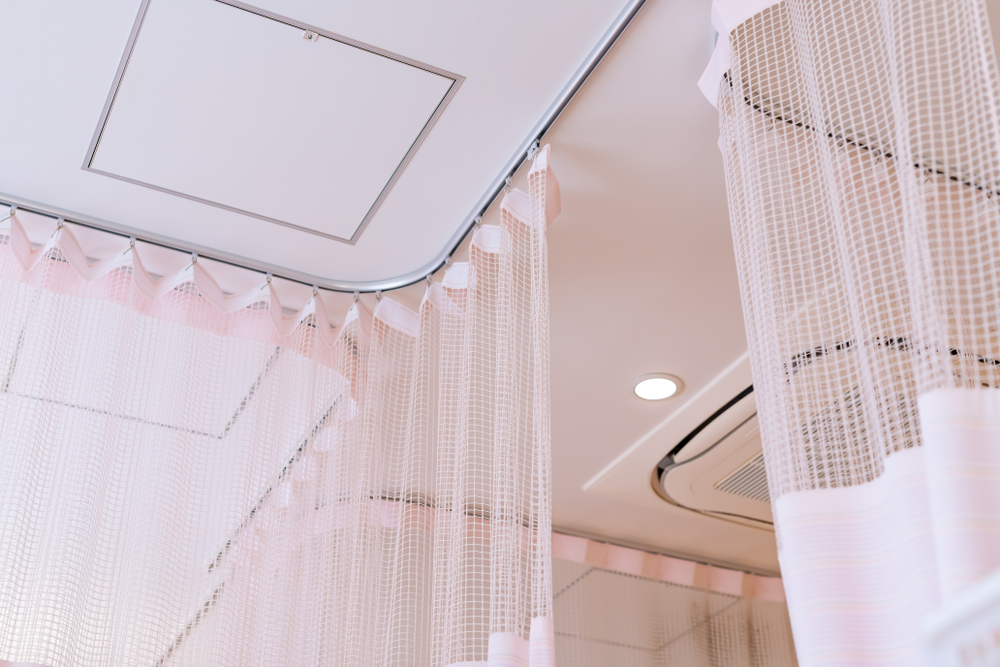
Environmental Factors Affecting Curtain Cleanliness
The environmental factors contributing to curtain contamination include air circulation, patient traffic, and proximity to medical equipment. Studies have highlighted that curtains near high-traffic areas, such as emergency rooms and intensive care units, can quickly become breeding grounds for bacteria. Staff often handle curtains without gloves, and patients may use them for support when moving, increasing the likelihood of contamination. Bacteria can survive on fabric surfaces for long periods, meaning hospital curtains can carry harmful microorganisms long after being touched.
A study published in a hospital infection journal found that some curtains can become contaminated with bacteria like MRSA within 14 days of being cleaned. This makes regular cleaning not just a recommendation but a necessity for maintaining hospital health standards.
Curtain Cleaning Protocols: The Importance of a Specialized Approach
Why General Cleaning Won’t Suffice for Hospital Curtains
Curtain cleaning in hospitals is more complex than cleaning other surfaces. The fabrics used for privacy curtains or hospital cubicle curtains are designed to be durable yet lightweight, allowing them to act as barriers without obstructing airflow or light. However, these fabric types can easily trap contaminants, such as dust, dirt, and bacteria, that general surface cleaning procedures cannot address.
The Advantages of Scheduled Professional Curtain Cleaning
While hospital staff may wipe visible surfaces between patient treatments, curtains require specialized cleaning methods that are more intensive than a quick spray and wipe. This is where professional curtain cleaners come into play. Professional cleaners use industrial-grade equipment to handle medical-grade fabrics, ensuring curtains are thoroughly disinfected and free from harmful pathogens. These specialized cleaning techniques can remove deep-seated dirt and stains that accumulate over time, restoring the curtain’s appearance and ensuring they meet healthcare cleanliness standards.
A routine cleaning schedule for curtains ensures they are maintained at optimal cleanliness levels. By incorporating curtain cleaning into the facility’s larger infection control protocol, healthcare managers can significantly reduce the risk of healthcare-associated infections (HAIs) stemming from contaminated fabrics.
Healthcare Curtains: Overlooked Yet High-Risk Surfaces
Frequent Touchpoints for Healthcare Professionals
Hospital cubicle curtains may not be immediately considered high-risk surfaces, but they are among the most frequently touched items in patient care areas. Every time a healthcare professional enters a room, the curtain may be touched to provide privacy or to check on the patient. Visitors, too, may grab onto curtains as they move through the space. Each touch adds to the accumulation of bacteria and viruses, turning these curtains into potential carriers of infection.
The Risk of Cross-Contamination
Privacy curtains have been identified as hotspots for contamination because they are often located near beds, medical equipment, and other areas where cross-contamination is more likely to occur. For example, healthcare professionals may handle a patient’s IV or medical equipment and touch the curtain without disinfecting their hands. This sequence of contact makes curtains a prime surface for pathogen transfer. The risk of cross-contamination is exceptionally high in rooms where patients with compromised immune systems are housed. Inadequate cleaning of these curtains can lead to an increased risk of HAIs, putting vulnerable patients at further risk of illness.
Signs Your Hospital Cubicle Curtains Need Professional Cleaning
Visible Grime and Stubborn Stains
Curtains in medical environments, especially hospital cubicle curtains, are subjected to various contaminants over time, and sure signs indicate they need professional cleaning. One of the most obvious signs is visible grime or stains on the fabric. These stains may result from contact with medical equipment, bodily fluids, or simply from the accumulation of dust and dirt over time. Stains on curtains are not just unsightly; they can also indicate deeper contamination that could pose health risks.
Lingering Unpleasant Odors
Another key sign that your hospital curtains require cleaning is the presence of lingering, unpleasant odors. Curtains can trap odors from various sources, including cleaning agents, bodily fluids, or even outdoor contaminants brought in by staff or visitors. A study on environmental contamination in hospitals indicated that curtains exposed to odors are more likely to carry harmful bacteria and require regular disinfection.
Hospitals should not wait for curtains to become visibly dirty or odorous before scheduling a cleaning. Regular professional cleaning ensures that curtains are sanitized before they become a source of contamination.
Symptoms of Contaminated Curtains: Impact on Patient and Healthcare Staff Health
Increased Infection Rates Among Patients
The health impact of contaminated curtains extends beyond their appearance and smell. Curtains that are not cleaned regularly can contribute to the spread of infections within healthcare facilities. A key symptom of poorly maintained curtains is an increased rate of infections among patients. When bacteria or viruses accumulate on fabric surfaces, they can be easily transmitted to patients through contact, especially in areas where patients are already vulnerable to infection.
Healthcare Professionals at Risk
Healthcare professionals, including doctors, nurses, and support staff, are also at risk. Contaminated curtains can increase exposure to harmful pathogens, putting staff at risk for illness. Healthcare professionals may unknowingly spread bacteria from contaminated curtains to other surfaces within the facility, creating a chain of cross-contamination that can be difficult to break without proper cleaning protocols.
Another concern is the potential for curtains to contribute to the spread of antibiotic-resistant bacteria, such as MRSA. If curtains are not cleaned regularly and thoroughly, they can harbor bacteria that are difficult to treat, increasing the risk of healthcare-associated infections and complicating patient recovery.
Professional Cleaning: The Key to Effective Curtain Maintenance
Why In-House Cleaning Is Not Enough
In-house cleaning efforts in healthcare facilities typically focus on wiping down high-touch surfaces like bed rails, doorknobs, and medical equipment. However, cleaning hospital curtains is more complex than wiping them down. Curtains require a more thorough cleaning process that addresses both visible dirt and invisible contaminants. This is why professional curtain cleaning services are essential.
The Benefits of Hiring Professional Curtain Cleaners
Professional cleaners use specialized equipment and techniques to clean medical-grade fabrics without damaging them. They can remove stubborn stains, odors, and deeply embedded bacteria that in-house cleaning cannot reach. Additionally, professional cleaners are trained to follow healthcare cleaning standards, ensuring that curtains meet strict infection control guidelines.
Hiring professional cleaners also allows healthcare facilities to focus on what they do best—providing patient care. With a scheduled maintenance plan, professional cleaning services can ensure that curtains are cleaned regularly, helping to reduce the risk of infection and maintain a sanitary environment.
Dust and Dirt: Hidden Dangers in Hospital Curtains
Impact on Air Quality and Patient Respiratory Health
Dust and dirt may seem like minor issues compared to bacterial contamination, but in hospital settings, they can have significant health implications, especially for patients with respiratory conditions. Due to their proximity to patients, hospital curtains can accumulate dust and allergens over time. This build-up can contribute to poor air quality in patient rooms, potentially exacerbating asthma or allergies.
By scheduling regular professional cleaning, healthcare facilities can ensure that their curtains remain free from dust and other airborne particles that could affect patient health. This proactive approach to environmental health improves air quality and helps maintain the overall cleanliness of the hospital environment.
Maintaining Clean Surfaces in Healthcare Settings: The Role of Hospital Curtains
Preventing the Spread of Infection through Cleanliness
Curtains in healthcare facilities should be treated with the same level of importance as any other surface that comes into contact with patients and healthcare professionals. When curtains are overlooked in cleaning protocols, they can significantly contribute to the spread of infection. Hospitals can ensure that every surface, including curtains, by implementing a regular curtain cleaning routine and working with professional cleaners, is maintained to the highest cleanliness standards.
Curtain cleaning should be part of healthcare facilities’ overall infection control strategy, along with regular cleaning of medical equipment, patient areas, and high-touch surfaces. Ensuring that curtains are professionally cleaned on a routine basis helps prevent the spread of infection and creates a safer environment for patients and staff.